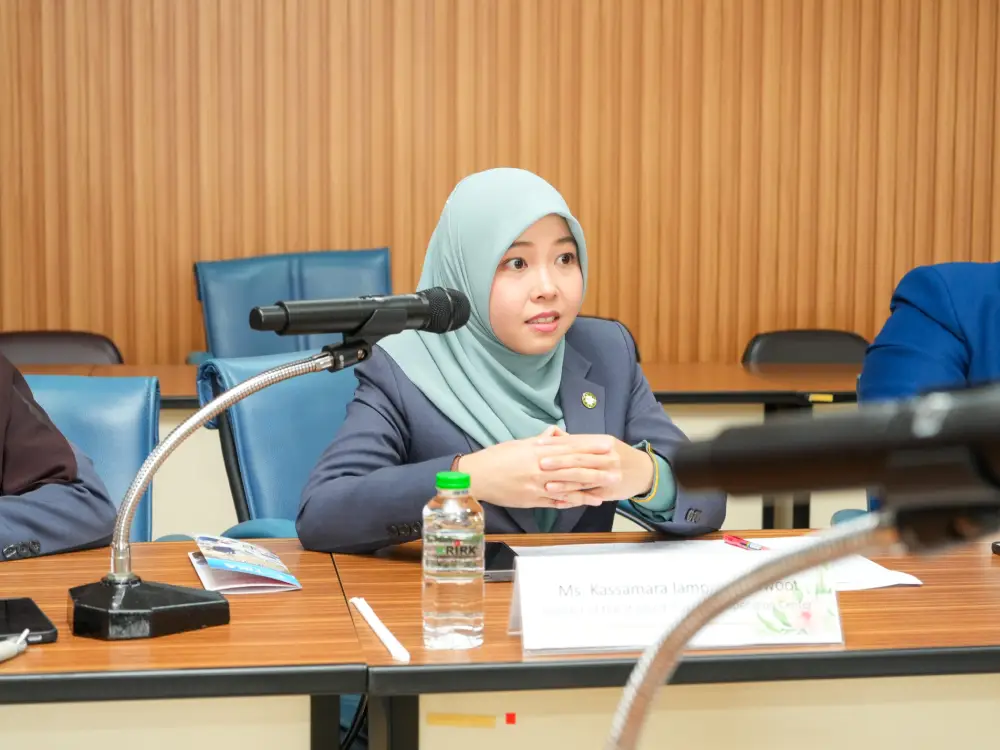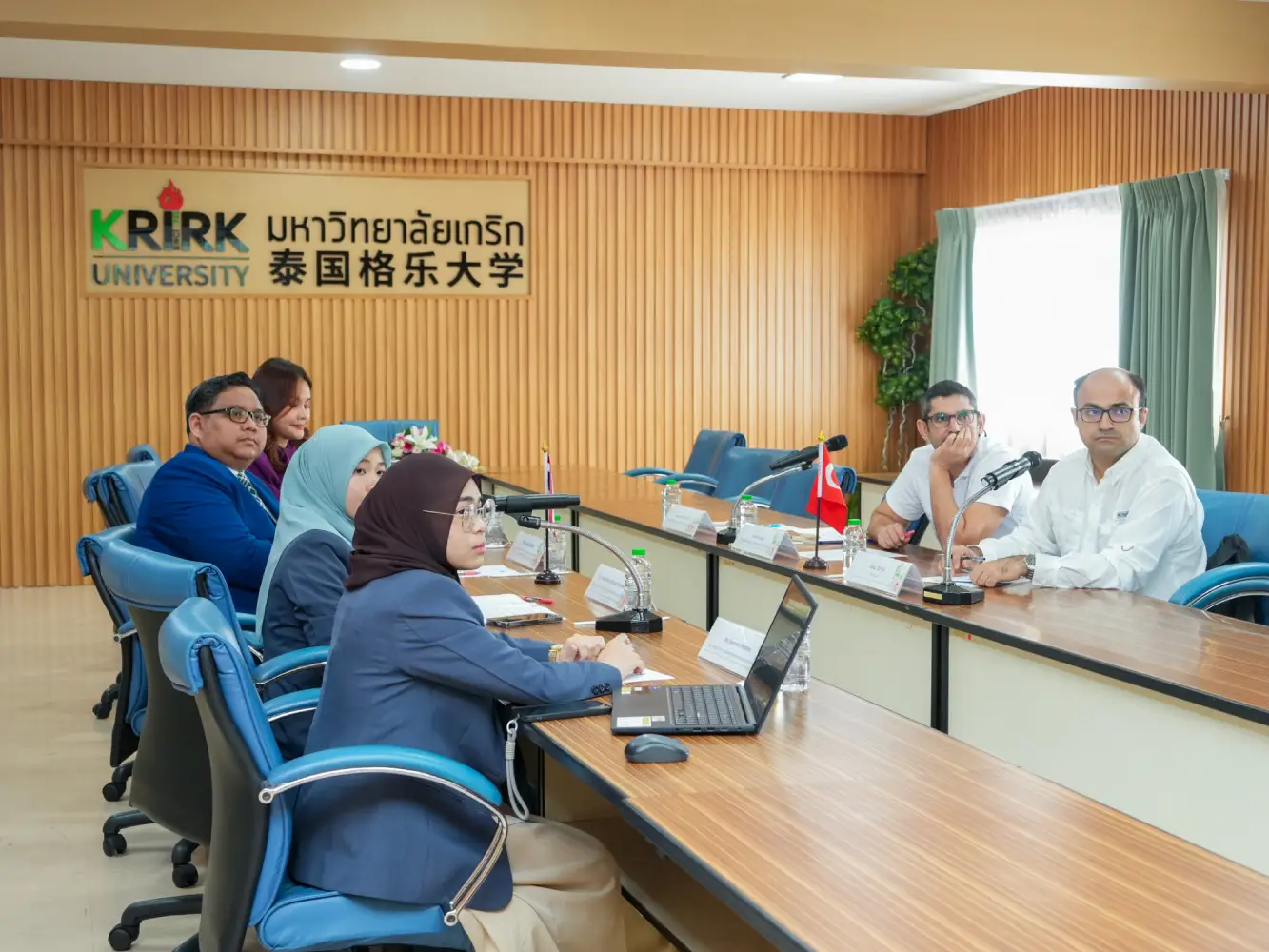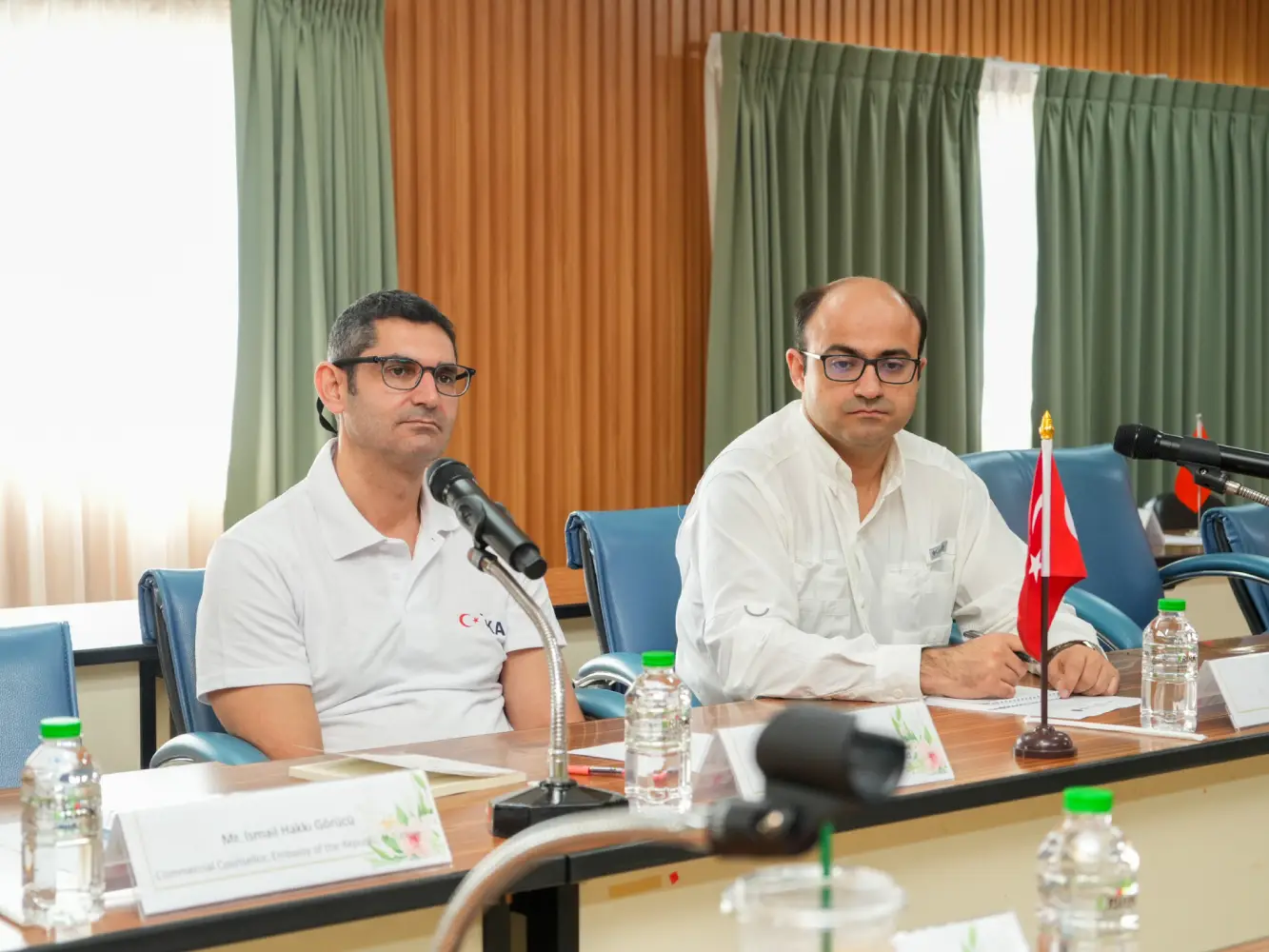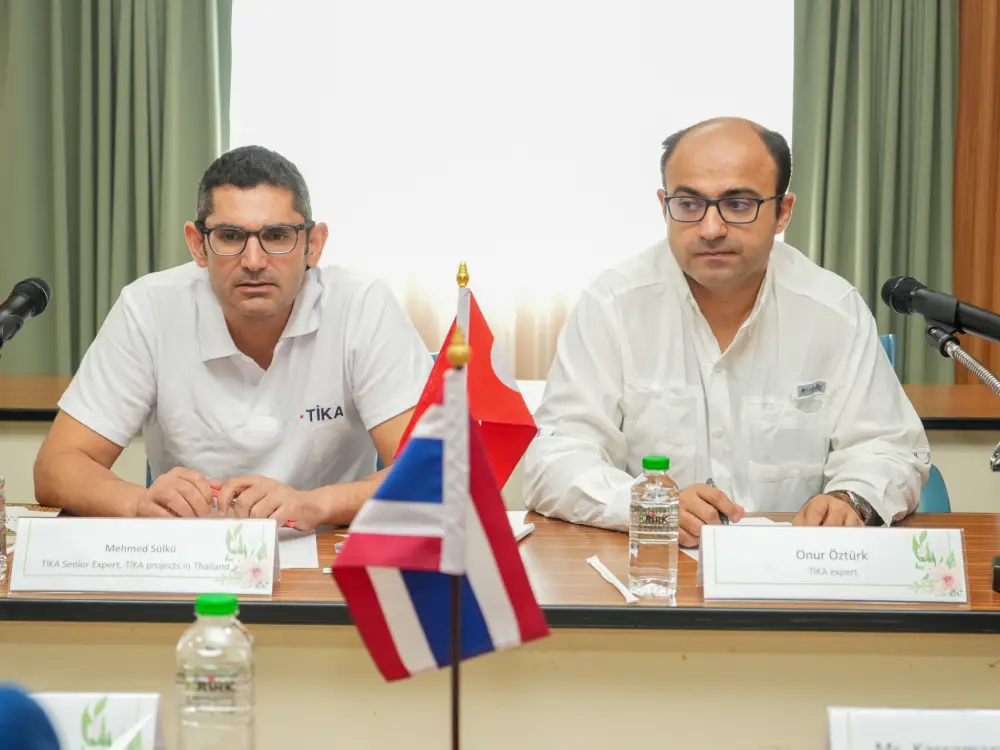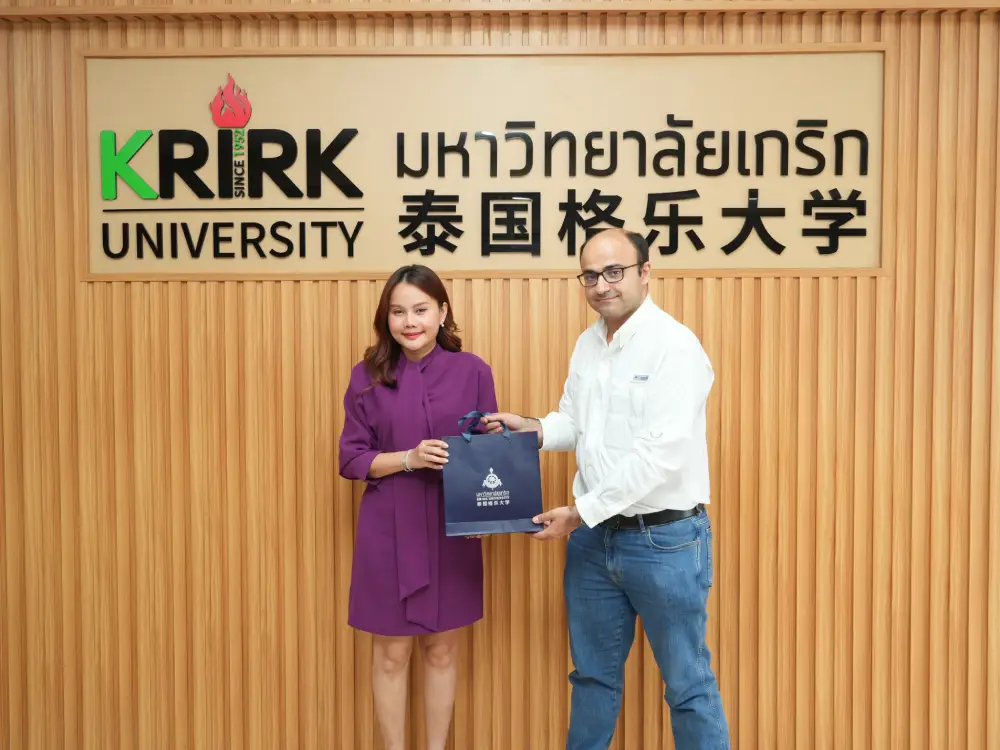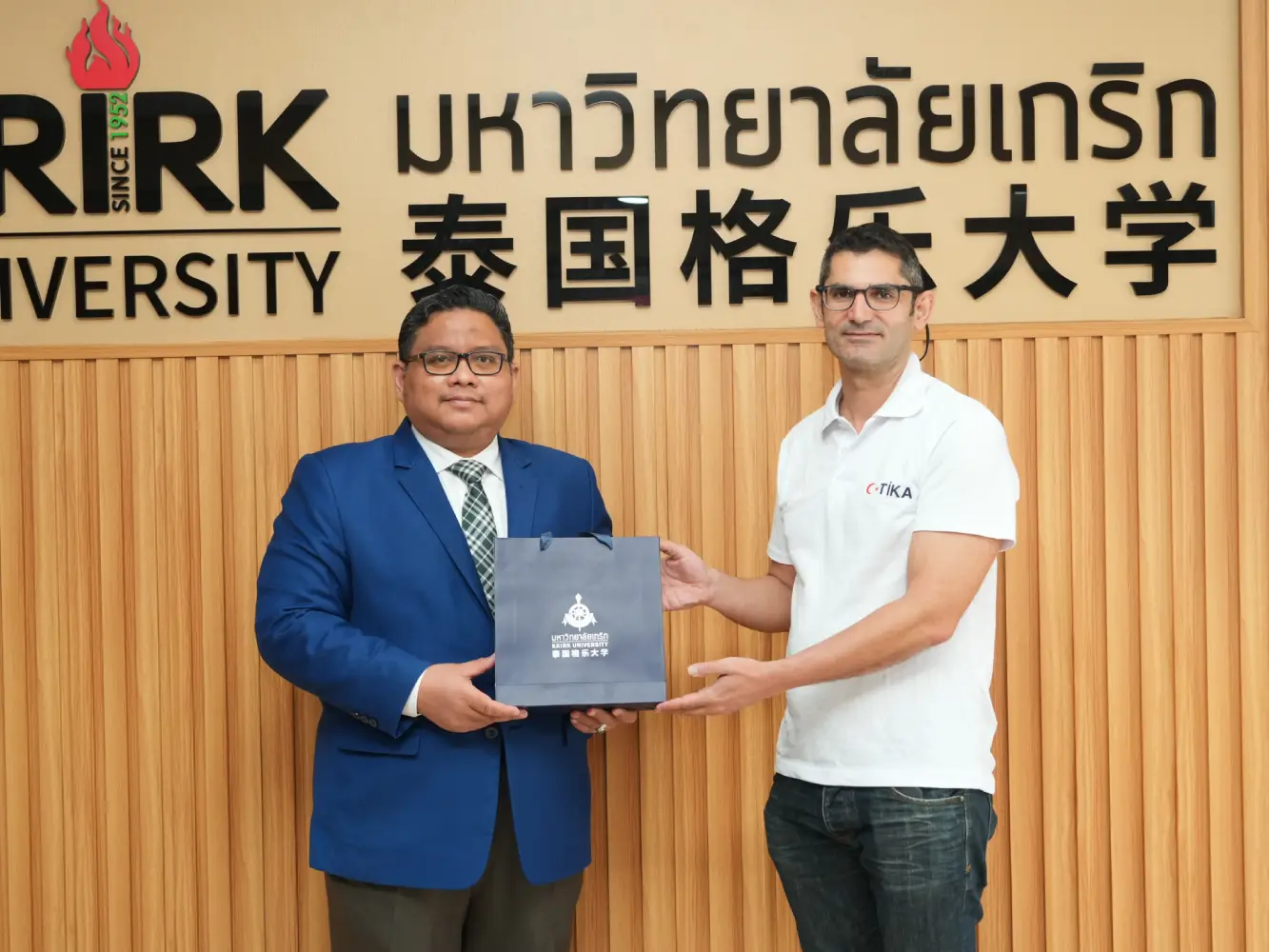

Bangkok, Thailand – 19 February 2026 – In a continued effort to expand meaningful international collaboration, Krirk University holds a strategic consultation meeting with representatives of the Turkish Cooperation and Coordination Agency (TIKA), reinforcing the growing partnership between Thailand and the Republic of Türkiye in the fields of education, cultural exchange, workforce development, and public health.
The meeting provides an important platform for dialogue, allowing both institutions to explore avenues of cooperation grounded in sustainability and long-term impact. Krirk University presents its academic strengths as a long-established institution with an expanding international outlook, highlighting the role of the Bangkok Islamic International College (IICB) and the Thailand–Türkiye Cooperation Center, which has been created to foster engagement with leading Turkish organizations. Through these initiatives, the University positions itself as a bridge for academic and developmental collaboration between the two nations.
TIKA representatives outline the agency’s global development mission and its operational philosophy. Having implemented more than 25,000 projects worldwide, TIKA functions as a coordination hub connecting Turkish institutions with international partners. Rather than providing direct financial grants, the agency focuses on capacity-building—supporting projects through expert-led training, technical assistance, equipment provision, and structured implementation based on formal proposals. Emphasis is placed on initiatives that promote sustainable development and generate long-term social and economic value.
Aligned with this framework, Krirk University shares forward-looking proposals aimed at addressing both educational access and professional development. Among these is the introduction of skill development programs and scholarship opportunities for underprivileged youth in Bangkok, designed to expand access to higher education and enhance employability. Discussions also explore the potential for healthcare collaboration, particularly the organization of professional training programs for medical personnel, including doctors and nurses, with expertise drawn from Turkish medical faculties to facilitate knowledge exchange and technological advancement.
In addition, the University proposes the consideration of establishing a TIKA coordination office within Krirk University. Such an initiative would provide a centralized platform to facilitate and oversee TIKA’s projects in Thailand, particularly within Bangkok, strengthening institutional coordination and expanding the reach of collaborative efforts.
As the meeting concludes, Krirk University reaffirms its intention to develop and submit formal project proposals for detailed review, signaling the transition from strategic dialogue to actionable cooperation. Through this engagement, the University underscores its commitment to serving as an active conduit for Thailand–Türkiye collaboration—leveraging academic leadership, international networks, and institutional vision to promote sustainable progress and shared development.